
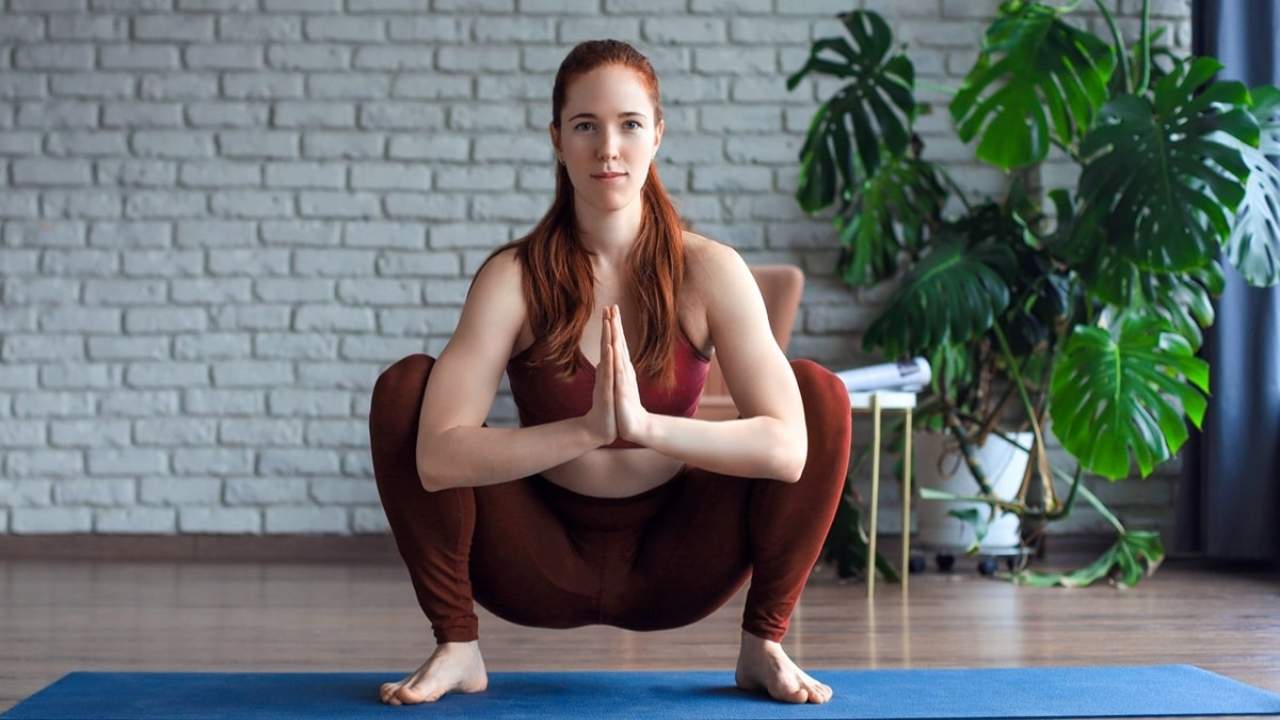
Fertility yoga is a simple and natural way to support your body and mind. These gentle poses help improve blood flow, reduce stress, and create a calm environment for conception.
With regular practice, fertility yoga can easily fit into your daily routine. It helps you feel relaxed, balanced, and more connected to your body throughout your fertility journey.
To learn more about each pose and how it supports fertility, make sure to read this post till the end. It will help you understand the benefits, precautions, and best practices to get the most out of fertility yoga.
Yoga Poses to Improve Fertility
Fertility yoga offers a gentle and natural way to support reproductive health while calming the mind and body. These simple yoga poses help improve blood flow to the pelvic area, balance hormones, and reduce everyday stress that can affect fertility.
By practicing fertility yoga regularly and mindfully, you can create a healthier and more relaxed environment for conception. When combined with a balanced lifestyle and professional guidance, these poses can be a positive step toward overall well-being and fertility support.
Key Overview: Fertility Yoga at a Glance
| Focus | Supports hormonal balance and reproductive health. |
| Key Benefits | Improves blood flow, reduces stress, and relaxes the pelvic area. |
| Ideal Practice Time | Early morning or evening for better relaxation. |
| Recommended Frequency | 4–5 days a week with gentle sessions. |
| Suitable For | Beginners and those planning pregnancy. |
| Precautions | Avoid strain, practice gently, and consult a professional if needed. |
Baddha Konasana (Butterfly Pose)
This gentle seated pose helps open the hips and supports healthy blood flow to the pelvic region. It is commonly practiced to relax the body and prepare it for conception.
- Improves circulation to reproductive organs.
- Helps balance hormones naturally.
- Reduces stress and pelvic tension.
Setu Bandhasana (Bridge Pose)
Bridge Pose gently stretches the spine while stimulating the abdominal and pelvic areas. It is known to support hormonal balance and reproductive health.
- Boosts blood flow to the uterus and ovaries.
- Helps regulate hormonal function.
- Strengthens the lower back and core.
Viparita Karani (Legs Up the Wall Pose)
This restorative pose deeply relaxes the body and calms the nervous system. It is especially helpful for reducing stress, which plays a key role in fertility.
- Improves circulation in the pelvic area.
- Helps relieve anxiety and fatigue.
- Supports hormonal balance through relaxation.
Bhujangasana (Cobra Pose)
Cobra Pose gently stretches the abdomen and improves spinal flexibility. It also stimulates reproductive organs and supports overall vitality.
- Enhances blood flow to the pelvic region.
- Helps improve ovarian and uterine function.
- Reduces stress and mild depression.
Balasana (Child’s Pose)
This resting pose encourages deep relaxation and gentle stretching of the lower body. It helps calm the mind and release emotional stress.
- Relieves tension in the hips and lower back.
- Supports hormonal balance by calming the nervous system.
- Promotes mental relaxation and emotional well-being.
Malasana (Garland Pose)
Garland Pose opens the hips and strengthens the pelvic floor. It is considered beneficial for improving reproductive health and flexibility.
- Improves blood circulation in the pelvic area.
- Strengthens pelvic and abdominal muscles.
- Supports healthy reproductive function.
Paschimottanasana (Seated Forward Bend)
This forward-bending pose stretches the spine and calms the mind. It also gently massages the abdominal organs.
- Stimulates reproductive organs naturally.
- Helps reduce stress and anxiety.
- Improves digestion and hormonal balance.
Supta Baddha Konasana (Reclining Butterfly Pose)
This deeply relaxing pose is often used in fertility-focused yoga sessions. It allows the body to fully rest while opening the hips.
- Encourages deep relaxation and stress relief.
- Improves blood flow to reproductive organs.
- Supports natural hormonal balance.
Precautions to Follow While Practicing Fertility Yoga
Fertility yoga should always be practiced gently and mindfully to avoid strain on the body. Avoid intense poses or overstretching, especially during menstruation or after ovulation. It is important to listen to your body and stop if you feel discomfort or pain. Consulting a yoga instructor or healthcare professional is recommended if you have medical conditions.
Best Time and Frequency to Practice Fertility Yoga
The best time to practice fertility yoga is early morning or in the evening when the body is relaxed. Practicing 4 to 5 times a week helps maintain hormonal balance and reduces stress effectively. Gentle, consistent sessions are more beneficial than long or intense workouts. Regular practice over time supports overall reproductive health naturally.