
You probably do not think about circulation when your legs feel fine. But comfort in your lower body depends a lot on how often you move, shift positions, and use your muscles throughout the day.
Modern life keeps us sitting more than our bodies were designed for. When leg muscles stay inactive too long, they do not get many chances to contract and relax, which is how circulation naturally stays active.
Simple yoga gives your legs those missing moments of movement. Slow stretches, light muscle work, and relaxed breathing help your lower body feel more awake, balanced, and comfortable again.
Why Movement Helps Circulation in the Legs
Your legs are the farthest area from your heart, so circulation depends a lot on muscle activity. When you move, your muscles squeeze and relax, helping blood travel upward more easily.
When you sit or stand without shifting much, this natural pumping action reduces. That is when your legs may feel sluggish, tight, or slightly swollen by the end of the day.
Yoga introduces slow, repeated movement that supports this muscle action. It also stretches tight areas that might be limiting comfortable blood flow through the lower body.
Common Signs Your Legs Need Movement
Your body often gives small signals that your legs could use more circulation support during the day.
- Legs feel heavy after sitting
- Feet feel cool or cold
- Mild swelling in ankles
- Tight calves or hamstrings
- Restless feeling at night
These signs are common and often improve when gentle movement becomes part of your routine.
13 Yoga Poses to Improve Circulation in Legs
These poses combine light muscle work, stretching, and positions that help blood move more freely through your legs.
1. Ankle Rotations
Sit comfortably and slowly rotate your ankles in circles. This keeps joints mobile and encourages gentle blood movement through the lower legs and feet.
2. Toe Flex and Point
Stretch your toes forward, then pull them back. This small action activates muscles that support circulation in your feet and calves.
3. Calf Stretch at Wall
Step one foot back and press your heel down while leaning forward. This stretch eases calf tightness and supports better lower leg comfort.
4. Standing Forward Fold
Bend forward gently with soft knees. This position helps blood return upward and releases tension in the backs of your legs.
5. Low Lunge
Step one foot forward and lower your hips slowly. This opens the hips and stretches the upper thighs where tightness often builds.
6. Seated Leg Extension
Sit upright and slowly straighten one leg at a time. This activates thigh muscles and supports circulation in the upper legs.
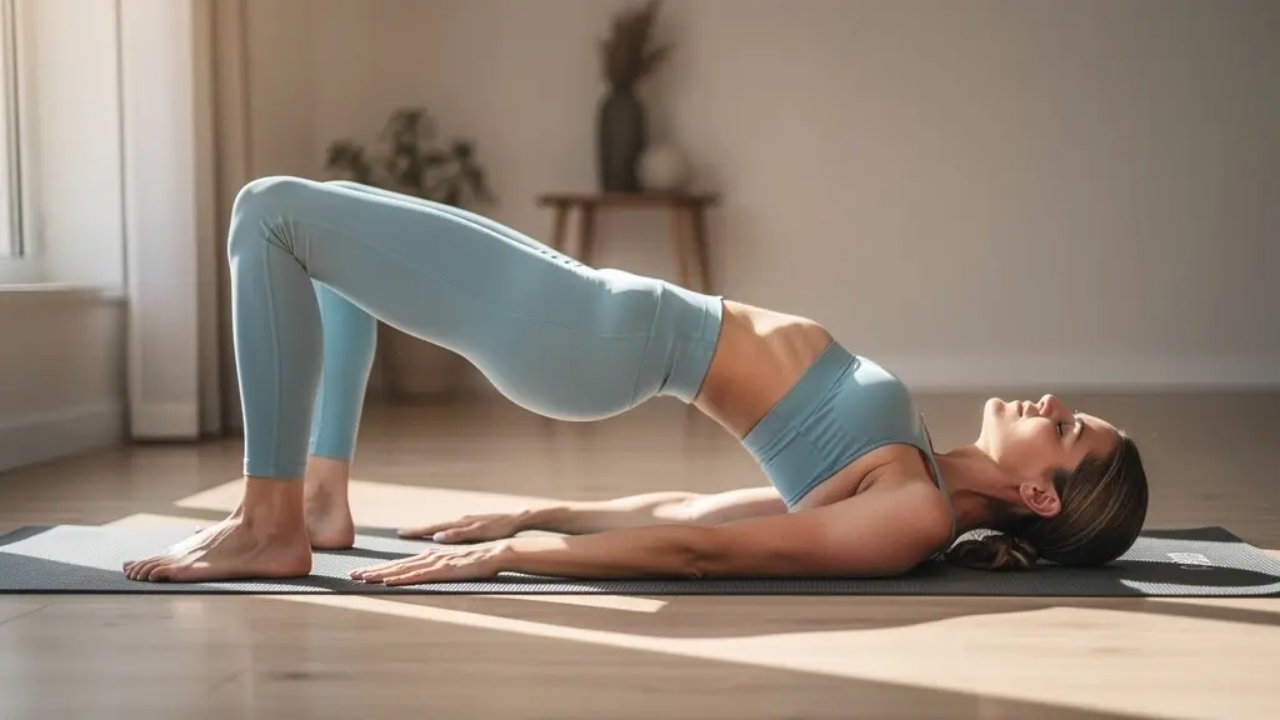
7. Bridge Pose
Lie on your back and lift your hips gently. This position encourages circulation through the legs and supports lower body muscle activity.
8. Legs Up the Wall
Lie on your back and rest your legs upward against a wall. Gravity helps blood flow back toward your upper body.
9. Gentle Squat Hold
Lower into a soft squat and hold briefly. This engages leg muscles and supports circulation through controlled effort.
10. Side Leg Raise
Lift one leg while standing or lying on your side. This supports hip strength and improves blood movement through the thighs.
11. Reclined Hamstring Stretch
Lie on your back and lift one leg gently upward. This stretch supports comfort in the back of the legs.
12. Marching in Place
Slow marching movements activate leg muscles and help encourage steady circulation.
13. Relaxed Rest with Deep Breathing
Lie still and breathe deeply. Relaxation helps your body balance circulation after movement.
How These Poses Support Leg Circulation
Gentle muscle activity and stretching help your legs stay more comfortable and balanced during the day.
| Movement Type | Circulation Support |
|---|---|
| Muscle activation | Helps blood flow upward |
| Stretching | Reduces tightness |
| Leg elevation | Supports return flow |
| Controlled holds | Improves endurance |
| Deep breathing | Supports relaxation |
Together, these combined effects support healthier movement in your legs and encourage more balanced circulation. Over time, your lower body may feel lighter, less tight, and more refreshed after daily activities.
A Simple Flow to Try Daily
You do not need a long or complicated session to notice a difference. Even a short and gentle routine can support your legs, especially after many hours of sitting or standing still.
Try ankle rotations, a calf stretch, low lunge, bridge pose, and legs up the wall. Move slowly, stay relaxed, and keep your breathing calm and steady throughout each movement.
Practicing this simple flow regularly often feels more helpful than doing long sessions occasionally. Consistency helps your muscles stay active and supports circulation in a gradual, comfortable way.
Helpful Habits That Support Circulation
Yoga works even better when combined with small daily movement habits that prevent your legs from staying still for too long during the day.
- Avoid sitting for long periods
- Move your feet and ankles often
- Drink enough water daily
- Walk whenever you can
- Stretch gently before sleep
These small steps may seem simple, but they support what your yoga practice builds and help your legs stay more comfortable, active, and balanced through daily routines.
How Soon Might You Notice a Difference
Many people feel lighter legs soon after gentle movement, especially when tightness reduces. However, lasting comfort usually comes from steady practice that supports muscle activity and flexibility over time.
Small, regular sessions help your body adjust in a gradual and sustainable way. This slow approach often feels more natural and helps circulation stay supported in daily life.
The Simple Takeaway
Heavy or tired legs often need more gentle movement instead of complete rest. Yoga helps your leg muscles activate, stretch, and support natural blood flow through your lower body.
With steady practice, your legs may feel warmer, lighter, and more comfortable throughout daily life. Small, consistent effort can bring noticeable improvements over time.