
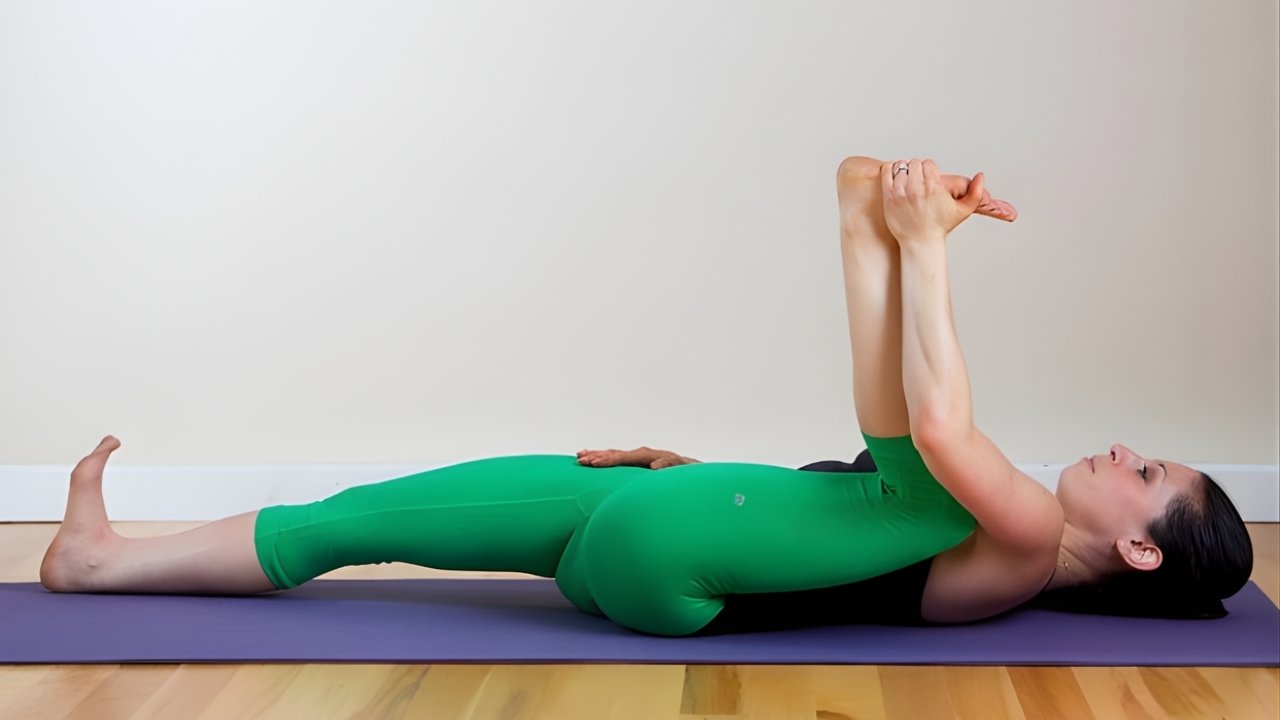
After hours at your desk, your lower back can feel tight, tired, and achy. You shift in your chair, stretch a little, but the stiffness keeps returning by evening.
Sitting for long periods slows circulation, shortens hip muscles, and puts steady pressure on your lower spine. Over time, this can make simple movements feel uncomfortable and leave your back feeling overworked.
Small, regular movement can help more than you think. Gentle yoga poses loosen tight areas, wake up support muscles, and give your lower back a break from constant sitting strain.
Office Work Often Leads to Lower Back Pain
Long sitting keeps your hips bent and your spine in one position. This can weaken muscles that support your lower back and make nearby muscles tight and stiff.
When your hips tighten and your core becomes less active, your lower back works harder to hold you upright. That extra effort can lead to soreness and fatigue by the end of the day.
The good news is your body responds well to gentle stretching and strengthening. A few simple yoga poses can help restore balance and reduce daily strain on your lower back.
How Yoga Helps Your Lower Back Feel Better
Yoga combines slow movement, gentle stretching, and steady breathing. This helps improve circulation, relax tight muscles, and wake up muscles that support your spine.
It also encourages better posture awareness. When you learn how your body feels in balanced positions, it becomes easier to sit and stand with less strain.
Over time, these small improvements can help reduce the discomfort that builds from desk work and make your back feel more supported.
Quick Benefits You May Notice
A few minutes of gentle yoga can help your body feel less stiff after sitting and improve how your lower back feels during daily movement.
- Less tightness in hips and lower back
- Easier movement after sitting
- Better posture awareness
- Reduced muscle fatigue
- More comfortable standing and walking
These small, simple changes build over time and can make long workdays feel easier, more comfortable, and less tiring for your lower back and overall body.
12 Yoga Poses to Ease Lower Back Pain From Office Jobs
Gentle movement and simple stretches can help release that built-up tension and support your spine. Here are twelve yoga poses you can try to help ease lower back discomfort from office work.
1. Cat–Cow Movement
Come onto your hands and knees. Slowly round your back upward, then gently arch it downward. This smooth movement keeps your spine active and helps release stiffness that builds up after long sitting hours.
2. Child’s Pose
Kneel on the floor and fold your upper body forward, resting your forehead down. This soft position gives your lower back a gentle stretch and allows tight muscles to relax and settle.
3. Seated Forward Fold
Sit with your legs straight in front of you and lean forward slowly. This stretch works along your back body and can help ease tension that gathers in the lower spine.
4. Supine Knee Hug
Lie on your back and bring both knees toward your chest, holding them gently. This helps release pressure in your lower back and encourages the muscles there to relax.
5. Figure Four Stretch
While lying on your back, cross one ankle over the opposite knee. This opens the hips, which often become tight from sitting and can pull on the lower back.
6. Bridge Pose
Lie on your back with knees bent and feet flat on the floor. Lift your hips slowly upward. This strengthens your glutes and gives more support to your lower back.
7. Pelvic Tilt
Stay on your back with knees bent. Gently tilt your pelvis to flatten your lower back into the floor. This wakes up deep support muscles around your spine.
8. Low Lunge Stretch
Step one foot forward into a gentle lunge and lower your hips slowly. This helps release tight hip muscles that often create extra strain on the lower back.
9. Standing Forward Bend
Stand with soft knees and bend forward slowly, letting your upper body hang. This helps improve circulation and eases built-up tension in your back.
10. Supine Twist
Lie on your back and slowly drop your knees to one side, then the other. This gentle twisting motion helps your back muscles relax and release tightness.
11. Sphinx Pose
Lie on your stomach and lift your chest slightly while resting on your forearms. This supports gentle strengthening of the lower back without too much pressure.
12. Easy Seated Breathing
Sit comfortably with your back upright and take slow, steady breaths. This helps calm your body, reduce tension, and supports overall relaxation in the lower back area.
How These Poses Support Your Back
These poses work by stretching tight areas, strengthening support muscles, and improving circulation around the lower spine.
| Pose Focus | Main Benefit |
|---|---|
| Gentle stretches | Release tight muscles |
| Core activation | Support spine stability |
| Hip openers | Reduce pull on lower back |
| Twists | Relax back muscles |
| Breathing poses | Reduce tension |
Practicing these regularly helps your back feel more balanced and less strained.
A Simple Routine to Try
You don’t need to do all poses at once. A short sequence can help reset your back after work. Start with Cat–Cow, move into Child’s Pose, then do Knee Hugs and Figure Four.
Finish with Bridge Pose and slow breathing. Even ten minutes can help your back feel lighter and more comfortable.
Common Concerns
Some people worry they are too stiff for yoga. These poses are gentle and can be adjusted to your comfort level.
Others feel they don’t have time. Short breaks are often more helpful than pushing through discomfort for hours.
You might also feel unsure at first, but slow breathing and easy movement make a big difference.
The Simple Takeaway
Lower back discomfort from office work is common, but small daily movement can help. Gentle yoga stretches and strengthening poses support your spine and reduce tightness.
With steady practice, your back can feel more relaxed, supported, and ready for daily activities. Even a few mindful minutes can make a noticeable difference over time.